- Russian authorities and military forces have systematically tortured and ill-treated Ukrainian prisoners of war.
- The evidence indicates that their physical and psychological torture is a widespread pattern intended to break prisoners’ sense of self and human dignity.
- Russian authorities should end torture and the ill-treatment of Ukrainian detainees, immediately and unconditionally release civilians unlawfully detained and allow them to return to their homes and grant monitors access to detention sites; Russian authorities responsible for torture and other abuse should be investigated and prosecuted.
(Kyiv, December 11, 2025) – Russian authorities and military forces have systematically tortured and ill-treated Ukrainian prisoners of war (POWs) at the time of their capture and throughout their detention, Human Rights Watch said today. Such abuses constitute grave violations of the Geneva Conventions that apply in international armed conflict and are war crimes.
Torture of any kind against detainees—POW, civilian or otherwise—is strictly prohibited under international law and may constitute a crime against humanity.
United Nations bodies, Ukrainian human rights organizations, and Human Rights Watch have interviewed hundreds of former POWs and the evidence indicates that their physical and psychological torture is a widespread pattern intended to break prisoners’sense of self and human dignity. Russia is holding thousands of Ukrainian POWs in atrocious conditions, deprived of adequate food, medical care, and basic hygiene.
“Russian authorities’ abhorrent systematic torture of Ukrainian prisoners of war is a serious violation of core protections under international humanitarian law,” said Holly Cartner, deputy program director at Human Rights Watch. “POWs face daily life-threatening ordeals in Russian custody, and all those responsible for these atrocities should be held to account.”
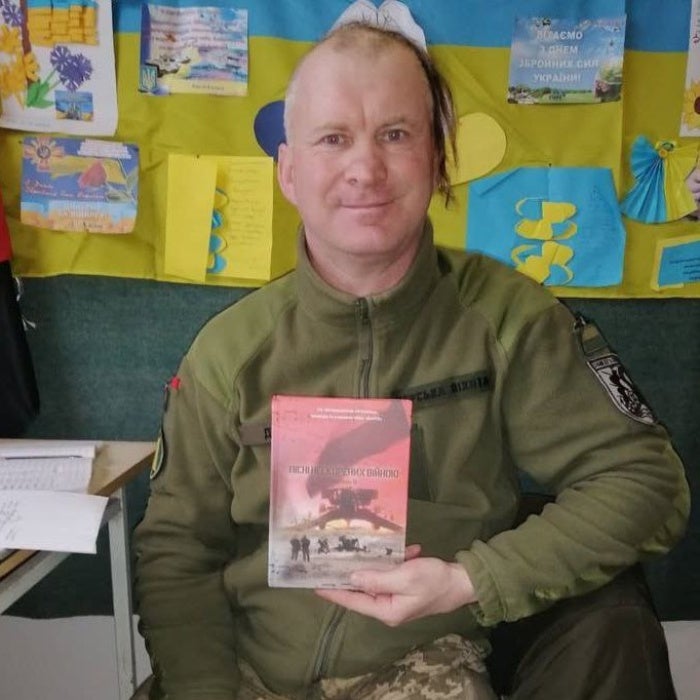
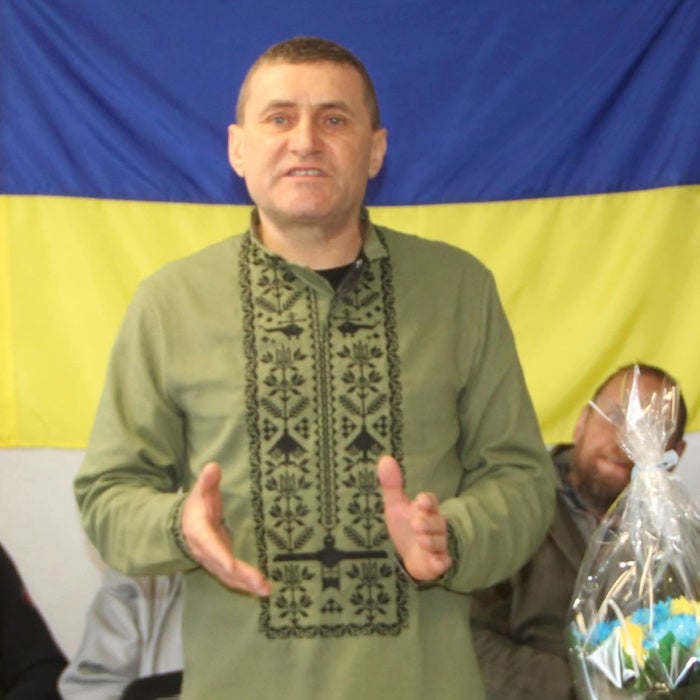
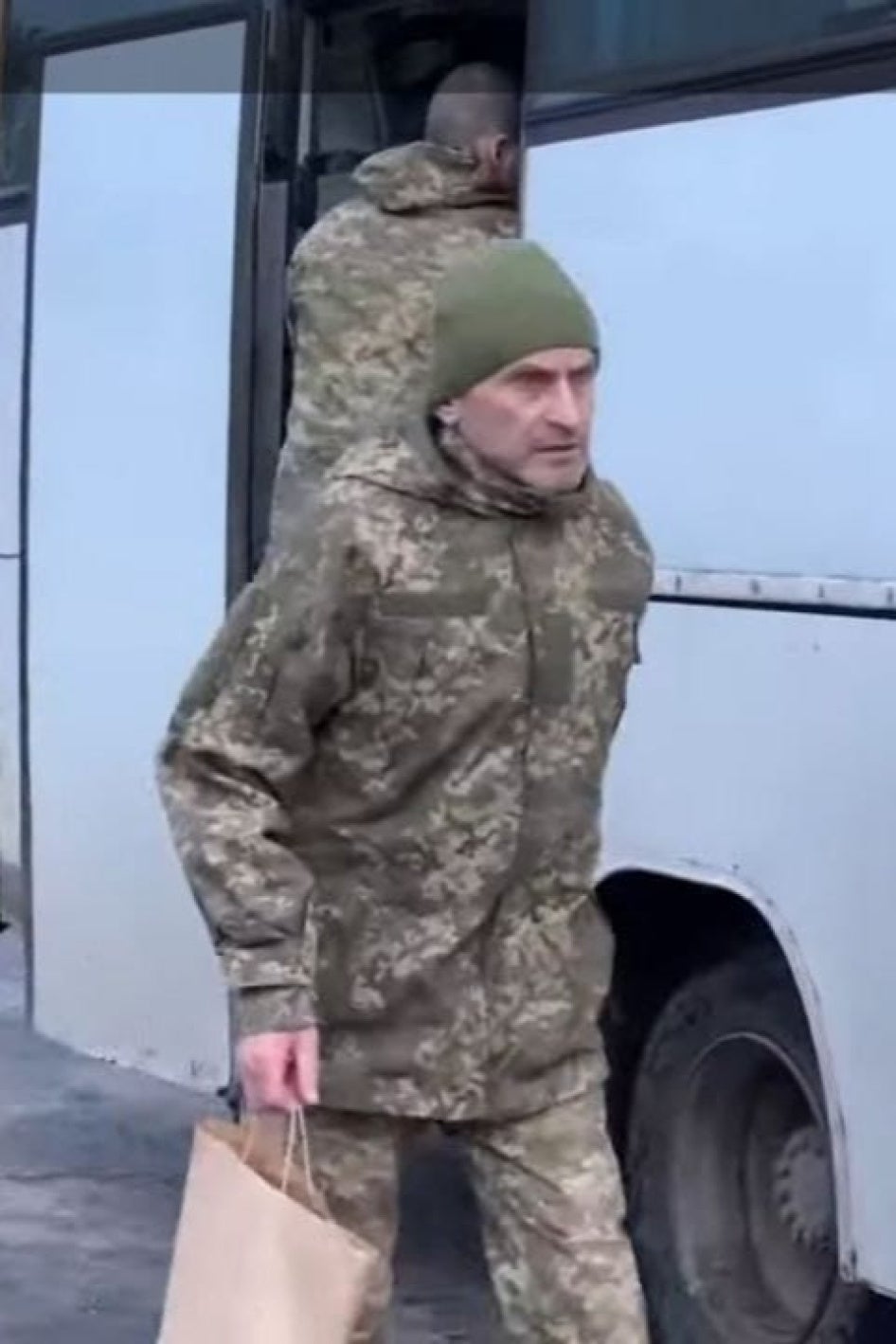
Between July and October 2025, Human Rights Watch conducted in-depth interviews with 12 former POWs captured in Donetska and Luhanska regions of Ukraine between March and July 2022. Most were interviewed in person in Ukraine, with some over the phone. Human Rights Watch also interviewed family members, human rights activists, and Ukrainian officials.
Former POWs reported abuse in multiple detention sites in Russia and Russian-occupied areas of Ukraine. They described severe beatings, stress positions, sleep deprivation, mock executions, administration of electric shocks, and attacks by dogs. They said they experienced torture from the moment of their capture throughout their time in detention.

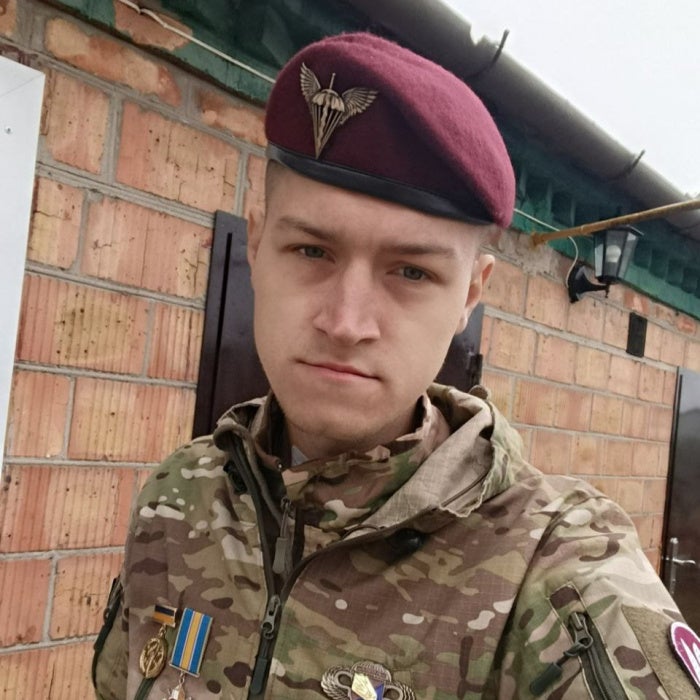
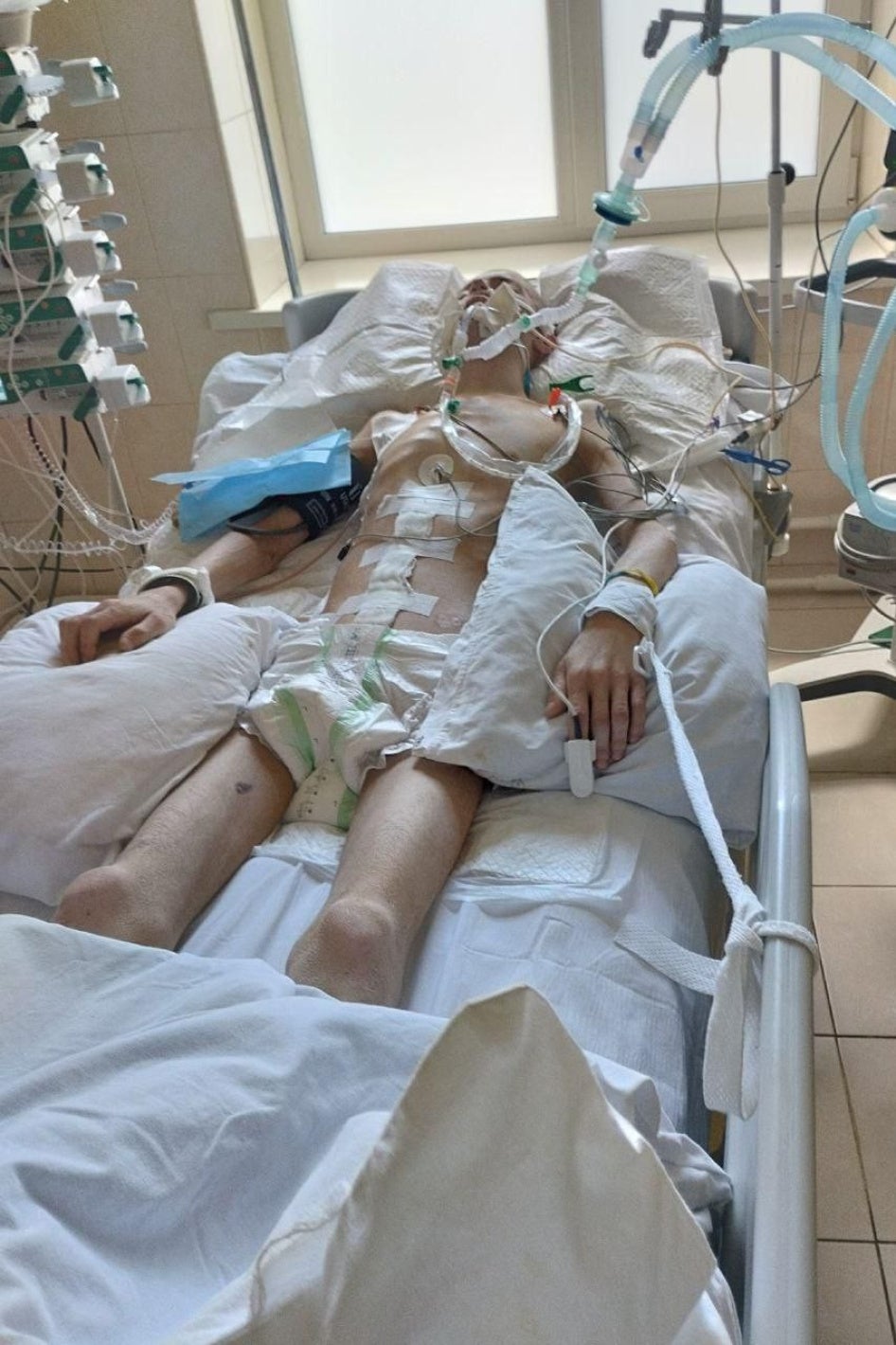
All but one reported being subjected to sexual violence, including rape and the threat of rape, forced nudity, humiliation, and the application of electrical shocks to the genitals. One Ukrainian soldier, captured near Lysychansk in Luhanska region, said Russian soldiers mocked his tattoo, which said “Strength and Honor,” and forced him to sit on a bottle while pressing down on his shoulders.
Former POWs also reported inhumane detention conditions, with insufficient or inedible food, a lack of basic sanitation and hygiene products, and largely unavailable medical treatment, even in life-threatening cases. Four of the POWs interviewed by Human Rights Watch implicated detention facilities’ medical staff directly in torture.
A 50-year-old sergeant said that the day after he was detained in Luhanska region in September 2022, three Russian military intelligence officials took him to an abandoned house near the front line, tied him to a chair, and gave him electric shocks for two to three hours, using a military field telephone and other devices. They beat him with rubber batons, sticks, rifle butts, and a bludgeon (a heavy club with a metal head), striking his entire body, and reopening an existing head wound. They demanded information on Ukrainian military positions and the names of his commanders.
The Geneva Convention Relative to the Treatment of Prisoners of War (Third Geneva Convention) governs the treatment of captured military personnel during an international armed conflict, in particular their POW status and what it means. Russia is a party to the Geneva Conventions and the standards are also part of customary international law.
Yet Russian forces routinely fail to treat captured Ukrainian military as POWs or recognize their protected status under the laws of war. Russian officials often try to justify this denial by the false claim that the conflict is a “special military operation,” not a war. One former POW said that a Russian official reportedly told a group of kneeling POWs: “You’re not [POWs] … you’re missing on the battlefield.” To one of the POWs, he said “If you’d like, we can walk to the hole we dug out in the backyard and I’ll show you what’s left of prisoners [who misbehaved].”
Russian authorities allow only arbitrary and infrequent communication between POWs and their families, in some instances restricting it entirely. Families of POWs often did not know their whereabouts, or only found out by accident, often through Russian propaganda videos.
Russia has systematically refused to grant international monitors access to Ukrainian POWs, preventing independent scrutiny of their conditions and treatment.
Torture of any kind against detainees—POW, civilian or otherwise—is strictly prohibited under international law and may constitute a crime against humanity. In October 2024, the UN Independent International Commission of Inquiry on Ukraine (COI) concluded that the Russian authorities in their actions against Ukrainian civilians in custody and POWs, “have acted pursuant to a coordinated state policy and have therefore committed crimes against humanity of torture.”
The Russian government should immediately end the use of torture and the ill-treatment of all Ukrainian detainees, release all unlawfully held Ukrainian civilians; and grant the International Committee of the Red Cross (ICRC) and independent human rights monitors immediate, unrestricted access to all detention sites holding Ukrainian POWs and civilians. Russian forces and authorities responsible for ordering, committing, or failing to prevent torture and ill-treatment should be investigated and prosecuted.
Any peace efforts or negotiations regarding Russia’s war in Ukraine should not include amnesty for war crimes, crimes against humanity, and other atrocity crimes.
International humanitarian law requires that POWs are treated humanely and protected from abuse, including unjust legal proceedings. It explicitly prohibits prosecuting POWs simply for participating in hostilities. Such prosecutions constitute war crimes. Lawful actions of war, carried out by members of armed forces party to the conflict, cannot be criminalized by the detaining power.
“Mock executions, electric shocks, and relentless beatings are designed to inflict not just pain, but to strip POWs of their dignity,” Cartner said. “Russian authorities should end this horrifying pattern of abuse immediately and ensure the safety of every Ukrainian detainee.”
Since the start of the full-scale invasion of Ukraine in February 2022 and as of September 2025, Russian authorities have detained at least 13,300 Ukrainian military personnel, according to data cited in an OSCE report prepared under the organization’s investigation procedure. According to the report, an estimated 6,300 POWs remain in Russian custody while nearly 6,800 POWs have been released and repatriated. Ukrainian authorities’ figures are higher, estimating that more than 8,000 military personnel are in Russian custody. The OSCE report also cites that at least 169 POWs were killed or died in Russian custody.
Since the start of the full-scale invasion and as of May 2025, the UN Office of the High Commissioner for Human Rights (OHCHR) had verified 88 cases of execution by Russian forces of Ukrainian soldiers hors de combat and recorded credible allegations of the execution of an additional 106. All captured soldiers hors de combat should be detained humanely and treated in accordance with POW status.
Russia has also unlawfully detained thousands of Ukrainian civilians. Like POWs, civilians have also suffered systematic torture and other forms of cruel and degrading treatment, as UN bodies and human rights organizations have extensively documented.
In an international armed conflict, warring parties are prohibited from arbitrarily arresting civilians and should immediately and unconditionally release unlawfully detained civilians and allow them to return to their homes. The laws of war also require the prompt release and repatriation of POWs at the end of active hostilities.
Denial of Protected POW Status
All former detainees interviewed were members of the Ukrainian Armed Forces at the time of their capture, entitling them to POW status. However, according to their accounts, Russian authorities consistently refused to recognize their protected status, treating them instead as criminals detained in connection with Russia’s “special military operation.” Ignoring their international legal protections is a grave breach of the Third Geneva Convention.
POWs were not told about their status or their rights during detention. As one said, “I didn't feel like I was a POW. A POW is when internationally accepted rules are observed. We were hostages.”
Only one former POW said that Russian officials had acknowledged his status; when he explicitly referred to his status during an interrogation, the commander immediately issued an order to his subordinates, in front of him: “Don’t beat, don’t mutilate, for exchange.” The POW reported he was later severely beaten and tortured in a Russian detention facility.
Lack of Access to Monitors, Outside World
Former POWs interviewed said that no international organizations visited them in detention, including the International Committee of the Red Cross (ICRC), which has an explicit mandate under the Third Geneva Convention to access POWs. Extensive reporting from OHCHR, the COI, and the Organization for Security and Co-operation in Europe Office for Democratic Institutions and Human Rights confirmed Russia consistently refusing to grant the ICRC, and other independent monitors access to the POW detention sites.
Several POWs reported rare visits from Russian Federal Penitentiary Service officials, the Russian Ombudspersons’ office, or Russian Red Cross Society, which they described as “show visits,” with improved conditions and food until the visit was over.
International humanitarian law guarantees POWs the right to maintain contact with their families, including regular correspondence. In some cases, Russian authorities held POWs in near-total isolation, cutting them off from the outside world, and allowing little or no contact with their families.
A 60-year-old military medic said he was considered “missing in action” for over a year, before his family learned that he was captured. A 25-year-old platoon commander said: “I was a missing person for a year and a half. Some were lucky, they were given the opportunity to call home ... I didn’t get that chance. My family didn’t know where I was or what was happening to me. Then, a comrade-in-arms saw my photograph at an exhibition for missing POWs … recognized me and passed the information to my family, and that’s how they knew I was alive.”
A wife of a former POW said: “For over a year, I had no idea what happened to my husband. I couldn’t sleep for months, and I turned heaven and earth upside down.”
Another former POW confirmed that detainees were rarely allowed letters or phone calls, with detention authorities explicitly stating: “You can call someone in Russia, but we have no connection with Ukraine.” One POW, who was held for 28 months in Russia, said he was only allowed to send three letters during that time while his captors withheld all the letters—estimated at about 10—that his family sent him.
Letters home, when allowed, were censored and required to follow a script of Russian propaganda and assert that the writer was being well treated.
Permission to contact home, when granted, was arbitrary and apparently dependent on the whim of detention facilities’ staff. One former POW said that he was allowed to call his family for 30 seconds after over two months in captivity, as a “reward” for good behavior.
Interviewees also said that Russian forces told them when captured and repeatedly thereafter that Ukraine had abandoned them.
Torture and Ill-treatment
All Ukrainian POWs interviewed were initially held for several hours to days in unofficial or transit sites, such as basements, military outposts, outbuildings (such as sheds), and in one case, a hospital basement. Seven were then transferred multiple times between various detention facilities in Russia-occupied parts of Ukraine, and held there for periods ranging from days to months.
All but two were later transferred, between two and six times, to detention facilities in multiple locations in Russia, including an internment tent camp in Voronezh region, and pretrial detention facilities and penal colonies in Stary Oskol, Ryazhsk, Borisoglebsk, Tula, Kamyshin and Kineshma, and the republic of Mordovia.
Two POWs prosecuted for killing civilians based on false confessions extracted under torture, were held in pretrial detention in occupied areas of Luhanska region and, after sentencing transferred to penal colonies in Vakhrushevo and Dovzhansk, respectively.
The POWs said that Russian military forces, security services, and staff of detention facilities systematically brutally abused, ill-treated, and tortured them at every stage of their captivity. Torture was used to extract military information, force false confessions, and inflict severe physical and psychological harm.
Ukrainian servicemen who had been in the military prior to Russia’s full-scale invasion or held specific military roles, such as scouts, artillerymen, tankmen, or anti-aircraft gunners, as well as those who were younger and those with higher ranks, were reportedly treated the harshest.
Torture and Ill-Treatment Upon Capture
Most said the initial phase of detention was marked by severe abuse and torture. They said that immediately upon capture, Russian forces threatened and committed sexual violence; carried out mock executions; kicked, punched, and beat POWs with plastic pipes, rubber batons, and rifle butts to the head; humiliated, mocked and verbally abused them; and looted their personal belongings.
One POW said that a Russian soldier stuck a knife into his thigh when the POW was captured and waiting to be transferred. Another reported being beaten with a shovel, both the handle and the metal part, while Russian forces demanded the call signs for his command staff.
Another Ukrainian military captured near Lysychansk said that his captors forced him to sit on a bottle, while they pressed down on his shoulders and intentionally tore open a bullet wound on his back. They forced him and other POWs to lay down on the pavement with bags over their heads, directing him to lie on the curb so that the blood from his wounds flow into the gutter, because the officer was “tired of cleaning the blood.”
Interviewees described being stripped to their underwear and that Russian officials confiscated all their possessions, including their shoes. Russian military personnel also pillaged personal belongings, such as watches, crosses, and earphones and never returned them. Four POWs said they remained without proper clothing or shoes for weeks or months, sometimes in subzero temperatures.
POWs reported that their captors deprived them of food and water for hours and sometimes days while transporting them to detention sites.
Torture During Admission Procedures
Every former POW interviewed reported having been moved between three to six times, from temporary detention sites, such as basements, sheds, and military outposts, to internment camps and detention sites in Russia-occupied Ukraine, including pretrial detention facilities and penal colonies. Some were subsequently sent to civilian criminal detention facilities deep inside Russia in violation of the laws of war.
All interviewees described the priyomka, or admission procedure, a ritual of brutal violence and degradation to which Russian authorities subjected Ukrainian POWs when they arrived at a new detention site. The abuse often lasted for hours, including beatings with rubber batons, plastic pipes, and wooden mallets, and electric shocks. Former detainees described being stripped naked, verbally and physically abused, and humiliated.
One man described admission to pretrial detention facility (SIZO) No. 2 in Ryazhsk, Ryazan region, as an eight-hour period of severe abuse that included Russian forces beating and punching POWs. Detainees were forced to kneel with their heads against a wall, resting their heads against the neck of the person in front, while two prison guards “walked on their backs and heads.”
Three POWs held at different times at Kamyshin SIZO No. 2, in Volgograd region, said that Russian officials forced detainees to crawl to the shower across wet bathhouse tiles or sprayed them with ice-cold water from a hose, while members of the security forces beat them and administered electric shocks. Guards also beat them with sticks and pipes and set dogs on them.
One POW said that a Russian special forces’ official kicked him in the chest, resulting in injuries that he believed to be broken ribs. Six POWs held in the Correctional Colony No. 10 in Mordovia similarly described severe beatings and electrocutions during admission procedures.
As all interviewed POWs were moved multiple times, the majority reported being subjected to horrific abuse each time they were moved to a new detention site. The conditions during transfers were also often appalling. Former POWs reported being bound and blindfolded in overcrowded trucks, where they often had to lie on top of one another and were not allowed to use a bathroom.
One former POW captured in July 2022 described being moved through six detention sites during more than three years in captivity. After two weeks in Olenivka, Donetska region, he was transferred to Russia, with two one-day stops in Taganrog and in Valuyki, followed by a two-week detention in Stary Oskol.
He was then held for 10 months in the Donskoye penal colony before being transferred again to the Correctional Colony No. 10 in the republic of Mordovia, where he spent nearly two and a half years until his release in a prisoner exchange in June 2025. He said he was beaten upon admission at every site. “By the time they brought me [to Stary Oskol], I couldn’t [walk], only crawl,” he said.
Torture and Ill-treatment During Interrogations and in Detention
Torture and ill-treatment were also routine in interrogations conducted by security services and investigative officials during the first weeks or months of captivity. Many POWs were forced under torture to record propaganda videos praising Russian armed forces, or make false video statements confessing to crimes such as “terrorism” or deliberately killing civilians.
The men said that officials placed plastic bags over their heads during interrogation, suffocating them until they nearly fainted, and beat them “like punching bags” with rubber batons, plastic pipes, and a wooden mallet (kiyanka). All of those interviewed reported being attacked, and in some cases bitten, by dogs.
Russian officials at multiple sites used military field telephones such as the Soviet-era TA-57 and other devices to apply electrical shocks to detainees. At Luhansk SIZO No. 1, a detainee said two officials shocked him using a field phone until the batteries were “discharged to zero,” while a third repeatedly struck his head with a stack of books. In some cases, interrogators applied electric shocks to detainees’ genitals.
One former POW, a career border guard who had served in the military for 18 years, said he was repeatedly interrogated and tortured at Borisoglebsk SIZO No. 2. He described being hung upside down by his legs and repeatedly beaten on his upper body for about 10 minutes while questioned about Ukraine’s military positions. A Russian official also repeatedly cocked an unloaded gun, pressed it against his genitals, head, and neck, and pulled the trigger.
Six POWs held in Mordovia Correctional Colony No. 10 described severe beatings during interrogations, most to falsely confess to killing civilians. One said, “They put plastic bags over our heads and beat us. Everyone had [multiple] interrogations. Four or five, within the first half year.”
POWs also described systematic sexual violence, as well as humiliation designed to destroy the prisoners’ sense of self and masculinity. In a detention facility in Donskoe in Tula region, detainees were forced to simulate sexual acts with one another on the concrete floor, while beaten with sticks by guards on their lower back and buttocks.
Russian officials and prison guards subjected POWs to extreme physical exercise regimes and forced them to hold stress positions for long periods. Interviewees described being forced into the painful full split or the three-quarter position (semi-squat) for hours. They were also forced to perform extensive exercise, including push-ups or up to 7,000 sit-ups daily; they were also instructed to only move around hunched over with their hands lifted up behind their backs, which Russian officials mockingly called the “dolphin” pose.
POWs held in the Mordovia Correctional Colony No. 10 said that for the first six months, they were required to stand still for 16 hours straight: from rising until lights-out. If a detainee collapsed or sat down, everyone in the cell was severely beaten. This regime caused their feet to swell to the size of “elephant feet.” One POW said the beatings and constant pressure of standing caused hematomas and blisters on his legs, which led clear fluid to constantly leak from his wounds and pool around his feet, and an infection, causing parts of the leg to “start rotting away.”
Guards and detention facilities’ officials also used cultural humiliation. Speaking Ukrainian was forbidden and resulted in immediate beatings. Detainees were forced to sing the Russian national anthem multiple times a day and required to remember the exact number of words and letters in the anthem and other Russian songs; mistakes led to severe punishment.
All POWs said their treatment led to the extreme deterioration of their physical and mental health. Upon returning to Ukraine, all were told that they would require years of physical and psychological rehabilitation.
Systematic Lack of Medical Care; Torture By Medical Staff
Former POWs said that medical care in Russian custody was inadequate and often abusive and was often refused or delayed. When provided, medical care for combat wounds, torture injuries, or serious and contagious illnesses, such as tuberculosis and scabies, was, with rare exceptions, limited to the application of antiseptic or mild painkillers.
In four cases, medical staff in detention facilities were complicit in torture.
In the Correctional Colony No. 10 in Mordovia, detainees described a doctor, whom they nicknamed “Doctor Electroshocker,” who routinely used electric shocks as “treatment.” When prisoners reported injuries or illness, the doctor would use electric shocks and ask, “Still sick?” until the detainee stopped complaining. In one account, a POW with an infected bullet wound on his back said that a doctor cleaned the infected wound with a scalpel and tweezers without anesthetic.
At most facilities, detainees said, seeking medical attention was treated as a complaint against the guards, leading to punishment including by beatings or being forced into stress positions.
Even in cases of severe trauma or illness, medical assistance was either denied or delayed. In SIZO No. 1 in Luhansk, for example, a POW with a broken hip and pneumothorax, who developed a high fever and was struggling to breathe, pleaded for four days before receiving medical help.
POWs said that personnel in the Correctional Colony No. 10 in Mordovia explicitly told those with excruciating toothaches or painful wounds to “tolerate the pain,” with one doctor stating, “Animals don't get sick.”
Inhumane Detention Conditions
Accounts from former detainees indicate a pattern of inhumane detention conditions across multiple facilities characterized by extreme overcrowding, insufficient nutrition and denial of essential hygiene items. Former detainees described the detention conditions as “medieval,” citing a stark lack of goods, such as shoes, bedding, towels, spoons, and soap.
Overcrowding and Denial of Essential Hygiene and Sanitation
Prison cells were severely overcrowded, routinely packed far beyond capacity. One former POW held in Donetsk SIZO No. 8 from May to September 2022 said that his cell, designed for 4 people, initially held 21, but reached a maximum of 74 during his stay; when he left in September, 57 remained. “We sat on each other’s heads. You couldn’t even lie down,” he said.
Another POW, who spent five and a half months at Donetsk SIZO No. 2, said that the staff sometimes punished detainees by cramming 70 to 80 people into a cell already crowded with 20 people. Detainees at the detention facility in Taganrog described people sleeping on the floor and “wherever they could” in a cell approximately four by four meters that held about 30 people.
Many reported being left barefoot for up to four months after Russian forces confiscated their military boots. Detainees at Luhansk SIZO No. 1 and Kamyshin SIZO No. 2 were held for months without pillows, blankets, or bed sheets, sleeping on bare mattresses, in unsanitary conditions, which led to an infestation of lice and fleas.
Hygiene conditions were universally described as appalling. POWs held in Donetsk and Luhansk facilities said that they had to urinate in plastic bottles because the guards only took them to the bathroom once a day. The were given only seconds in the bathroom. No toilet paper was provided, forcing detainees to tear off pieces of their own clothing to clean themselves.
Access to showering or a bathhouse was systematically denied or severely limited and was frequently used as a pretext for beatings and abuse, with the staff at Kamishin SIZO No. 2, for instance, openly telling POWs they were taken to the bathhouse “not to wash, but to be beaten.”
Detainees at Luhansk SIZO No. 1 were sometimes taken to the shower for only a couple of minutes and often went without a shower for long periods, six weeks in one case. Detainee held in SIZО No.2 in Stary Oskol said that they were allowed to shower for only 10 seconds. In Mordovia Correctional Colony No. 10, detainees similarly described going for two months or more without showering and then being given only minutes to wash in cold water.
All POWs reported not having bedsheets, pillows, blankets, soap, or towels for weeks or months.
Detainees incarcerated in Mordovia said officials only provided one small piece of laundry soap for a cell with eight men to use for two weeks. Toothpaste and toothbrushes were sometimes not provided for long periods, or at all, and clothes were washed every few months. In some instances, prison officials gave detainees dull or broken electric clippers for shaving and haircuts and then reportedly beat them for being unshaven.
Many former POWs reported being denied any opportunities for exercise. Some said they only had five or fewer walks in a year and a half of captivity.
Insufficient Nutrition, Starvation
Food was often insufficient, inedible, or withheld altogether, leading to catastrophic weight loss. A former POW detained in Kineshma SIZO No. 2 said that prison guards imposed a nine-day complete “hunger strike,” on their cell of eight, followed by 52 days of one meal a day. Detainees in other facilities reported being deprived of food for up to two weeks and only given water.
When food was provided, it was often of very poor quality. Former POWs described the food as “disgusting,” rotten, and often underprepared or completely uncooked, such as grain simply soaked in water. At the SIZО No.2 in Stary Oskol, former detainees said that potatoes were cooked unpeeled with sprouts, fish was half-cooked, and shredded cabbage was described as soaked in acid or vinegar, causing many to develop “twisted stomachs.” POWs frequently suffered diarrhea.
Many detainees reported losing significant amounts of weight, one as much as 70 kilograms. One former detainee, 45, who weighed close to 100 kg before capture in April 2022, had lost close to half his body weight when released in June 2025. Another 60-year-old man, went from 87 kg to 49 kg at 170 centimeters height over five and a half months at Donetsk SIZO No. 2, where he said the food was like “meal for little kittens,” resulting in a state of such weakness that he couldn’t climb onto a bunk bed. Similarly, a detainee, 25, held in solitary confinement for a year and a half and regularly deprived of food for up to two weeks at a time, weighed 45 kg at 198 centimeters height upon release. He said that he was so hungry that he resorted to catching and eating cockroaches, and that other men in nearby cells reportedly caught and ate raw mice.
In some facilities food was provided three times a day, but the act of eating was accompanied by punishments. Detainees in Olenivka, for example, described being forced to run to the canteen and being given only one and a half to two minutes to eat and return to their cell. If they did not get back in time, the guards reportedly beat them severely.
Unlawful Convictions
Three former POWs said they were subjected to sham prosecutions, with two of them convicted of fabricated charges. The judicial proceedings they described, which should never have taken place, were marred by multiple procedural violations.
In one case, a Ukrainian serviceman, captured in July 2022, was subjected to repeated torture and interrogation by security agents at Luhansk SIZO No. 1. In August 2023, Russian officials forced him to make a video confession under duress, shortly before the start of the trial. He was sentenced to 20 years in a maximum security penal colony on false charges of deliberately targeting a civilian apartment building and killing civilians.
He said that the court-appointed lawyer admitted to him that the verdict was preprinted and intended only for a future prisoner exchange. The conviction was based on fabricated evidence, falsely claiming that he had made a “full confession,” despite the fact that he had been 100 kilometers away from the alleged crime scene.
During the trial, the judge openly encouraged him to “unite with Russia ... and fight against NATO.” The serviceman’s comrade, who was held in the same cell with him, received an identical 20-year sentence, with the names of the serviceman’s wife and son mistakenly copied into his own criminal case file. Following his sentencing, he was transferred to the Correctional Colony No. 2 in Vakhrushevo, a maximum security prison where he was held until his release in October 2024.
Another former POW reported that officials from the Russian Investigative Committee subjected him to an hours-long interrogation marked by extreme physical and psychological torture to force him to provide a false confession. Officials then presented him with an ultimatum: sign a false confession to a war crime or refuse and be either “shot during a staged escape” or placed with inmates who would “physically, psychologically, and morally break” him.
Under torture, he signed a false confession in two versions, because the interrogators couldn’t agree on the “crime” site. One of his interrogators was present during his psychiatric evaluation and instructed him on how to answer the questions. In March 2023, he was convicted on false charges of deliberately targeting and wounding civilians and sentenced to 13 years in prison in a strict regime penal colony in Luhanska region.